“Life is not what one lived, but what one remembers and how one remembers it in order to share it.” — Gabriel García Márquez
I had knee surgery about seven months ago, and that forced me to sit still and analyze how I’ve been living life for the last decade. I have never been subjected to the level of pain I experienced post-surgery, but what’s worse, I haven’t been left alone with my thoughts for a really long time. It’s shocking to realize how even after 14 years of sobriety, my head can still be very loud.
On the other hand, this time off made me realize there’s been a LOT of people involved in this project that I call my life. I will never forget how, at 21 years old, meeting a group of people—a bunch of strangers—would fundamentally change the course of my life. And I owe each and every one of them for the life I have today.
I seem to be in a place of gratefulness, and I’ve even texted some people to express this. Everyone is always glad to hear from me, especially when they hear things I usually leave unsaid. But out of all the people I could thank and show my gratitude towards, there’s always that gnawing feeling that the person I owe the most is the one I can’t, or shouldn’t, get in touch with.
For the last 20 years, in the scroll of people who fundamentally changed the course of my life, you have always been the first name on the list. I really don’t know what would have become of me if I hadn’t found you when I did. Maybe we both wouldn’t have survived those years if it hadn’t been for our time together.
It was next to you that I had the first glimpses of what my life could be. It was by your hand that I was introduced to the possibility of the man I could become. It was terrifying. So terrifying, in fact, that I was crushed by the potential.
For quite some time, I tried hating you. I really tried. But I would always circle back to the source of my torture, a fear I did not dare to say outloud: that I was doomed to be in love with you for the rest of my life. The truth is, I could never hate you; I hated myself . My only way to deal with my own shame.
I traveled all over the world, and at every destination, you were there with me. I could not figure out how to leave you behind. I saw you next to me hiking the Scottish Highlands, visiting shrines in Japan, driving through the Austrian Alps, walking around the Vatican Museum, waiting for trains in London stations, sitting across from me in coffee shops in Paris.
There were times when I thought I was truly going insane. Having a ghost accompany me to all these different places—I must be losing my mind.
After years of agonizing nights, rolling around in bed, wondering how to get rid of this love-hate, finally, I have nothing left of either. Only a pure and genuine gratitude for the time you invested in saving my life. You might not know that you were doing that, but I can see now that it was in fact that life-affirming love that pulled me through the constant panic of those years, and I will always be grateful that you managed to bring out the best in me.
I really hope you are happy. Though we always joked we lacked the constitution for mindless happiness—and yet, I seem to be quite happy these days.
“A person does not belong to a place until they have someone dead under the ground,”
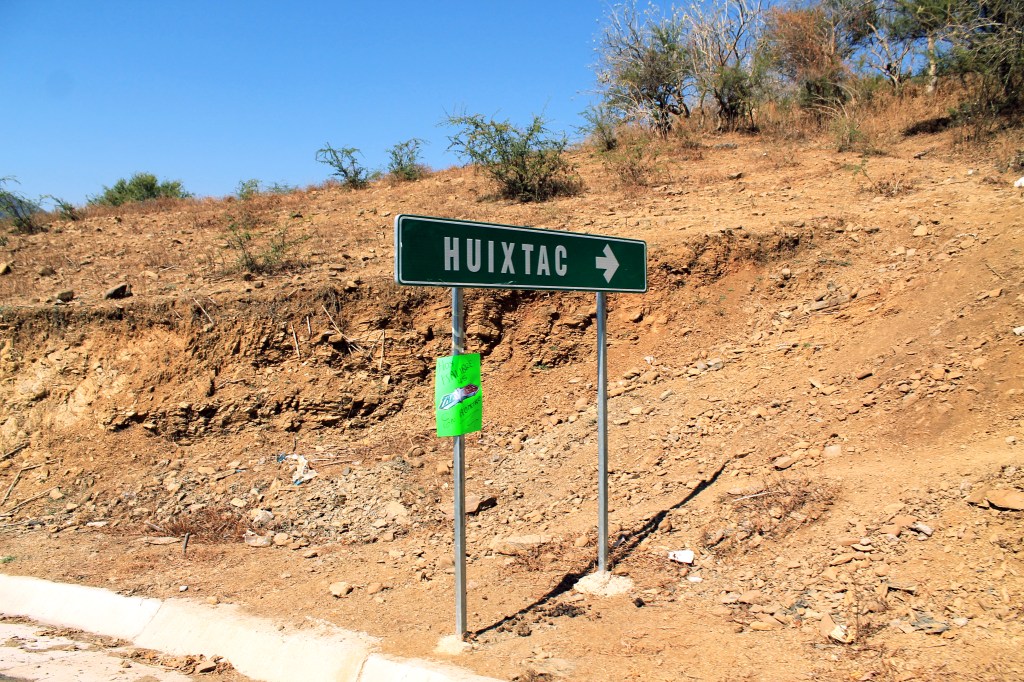
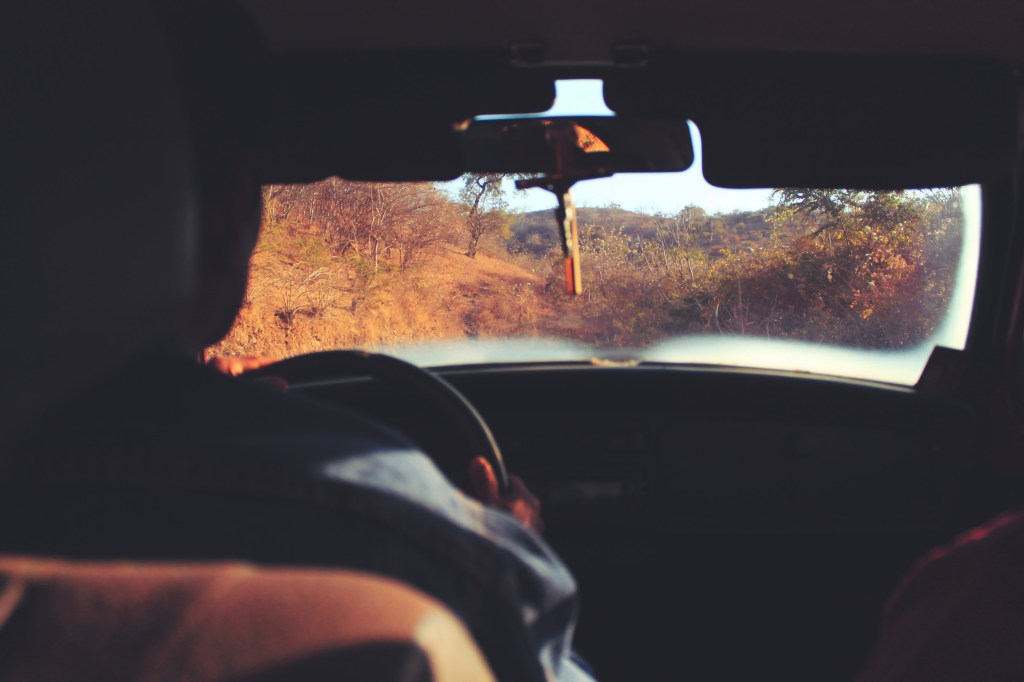
All my dead rest in the same place; the old little village my family comes from. Even now, we are still taking them back there. With every person that passes away, as the life in the village continues to change, the fear of losing my connection to the place increases. It’s hard to go back and see that so many of the people that made it home are no longer there. I have always feared that I might never see that place again. For as long as I’ve lived in America, I’ve had an irrational fear of losing my place in that world. For years I’ve had recurring dreams where I am heading back to that place. Sometimes I am driving there, riding a bus up the dirt roads, or in the back of a taxi cab. Whatever the mode of transportation, subconsciously, I am always trying to get back.
I can’t help but to think of my grandmother often. I always hear her voice in my head, the way she used to say “My Rodrigo.” She didn’t have a very happy life. She was kidnapped at the age of 14 and forced to have the child of the man that took her. I have heard the stories about men that would come into their village to take girls. That was life in rural Mexico back then. In those days people lived in little huts made of sticks and mud. No justice to be served, no hope of a different life. Two years later her brother tracked her down, rescued her, and brought her back home along with the child she had. My dad’s oldest brother. The prospects for a young girl with a child were less than ideal during that time and place, so her family forced to marry my grandfather, an alcoholic man almost 30 years older than her.
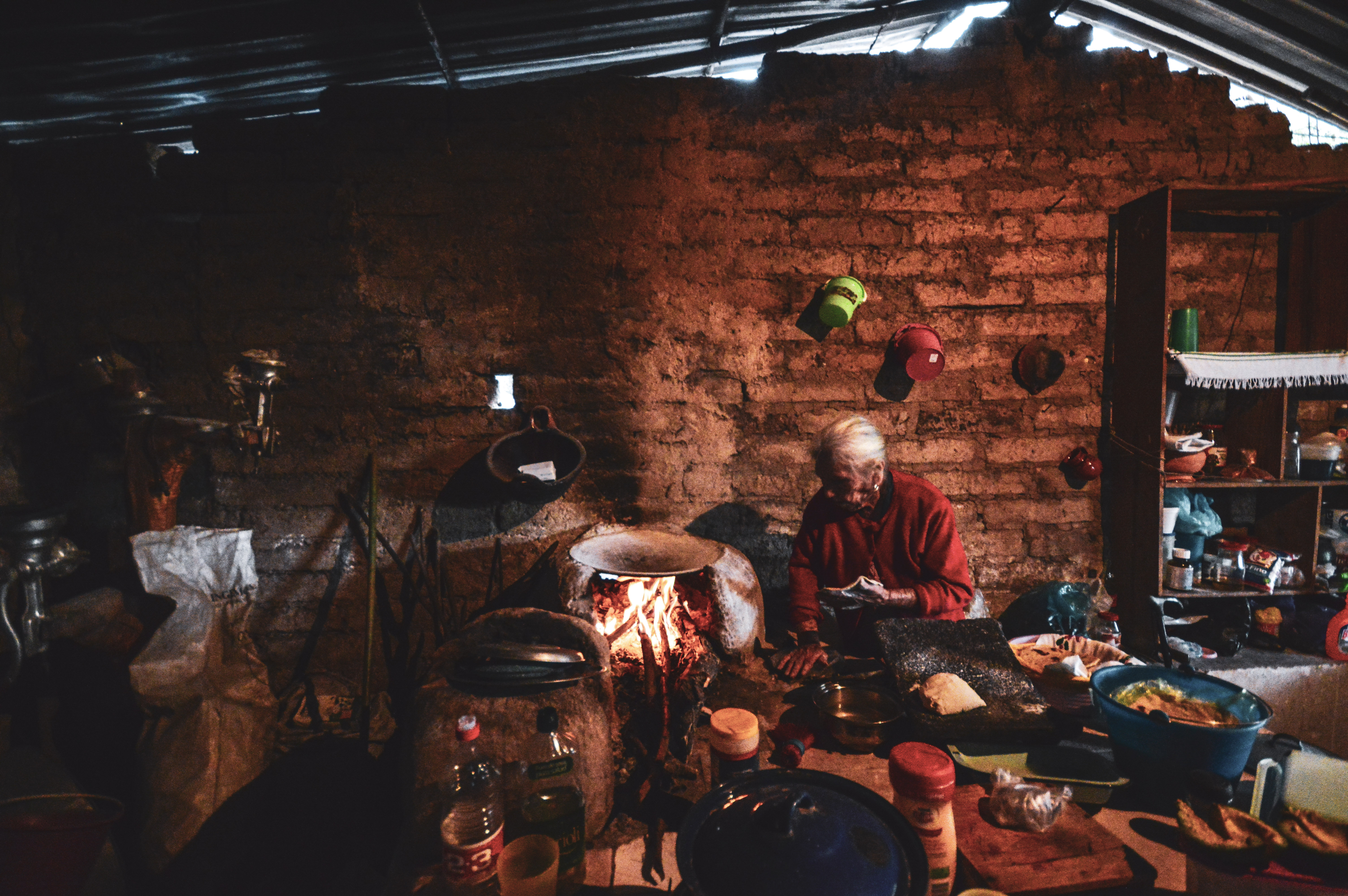
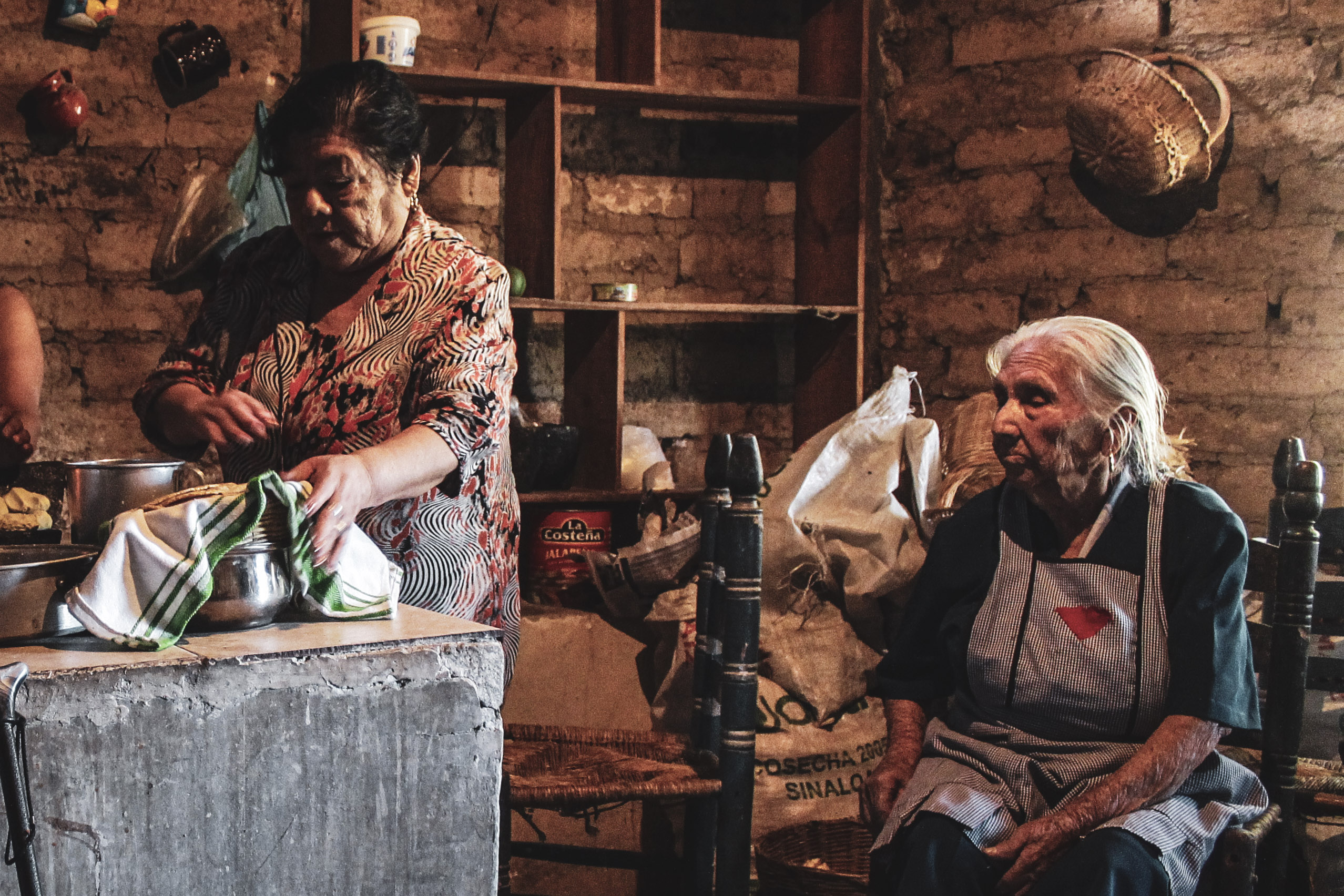
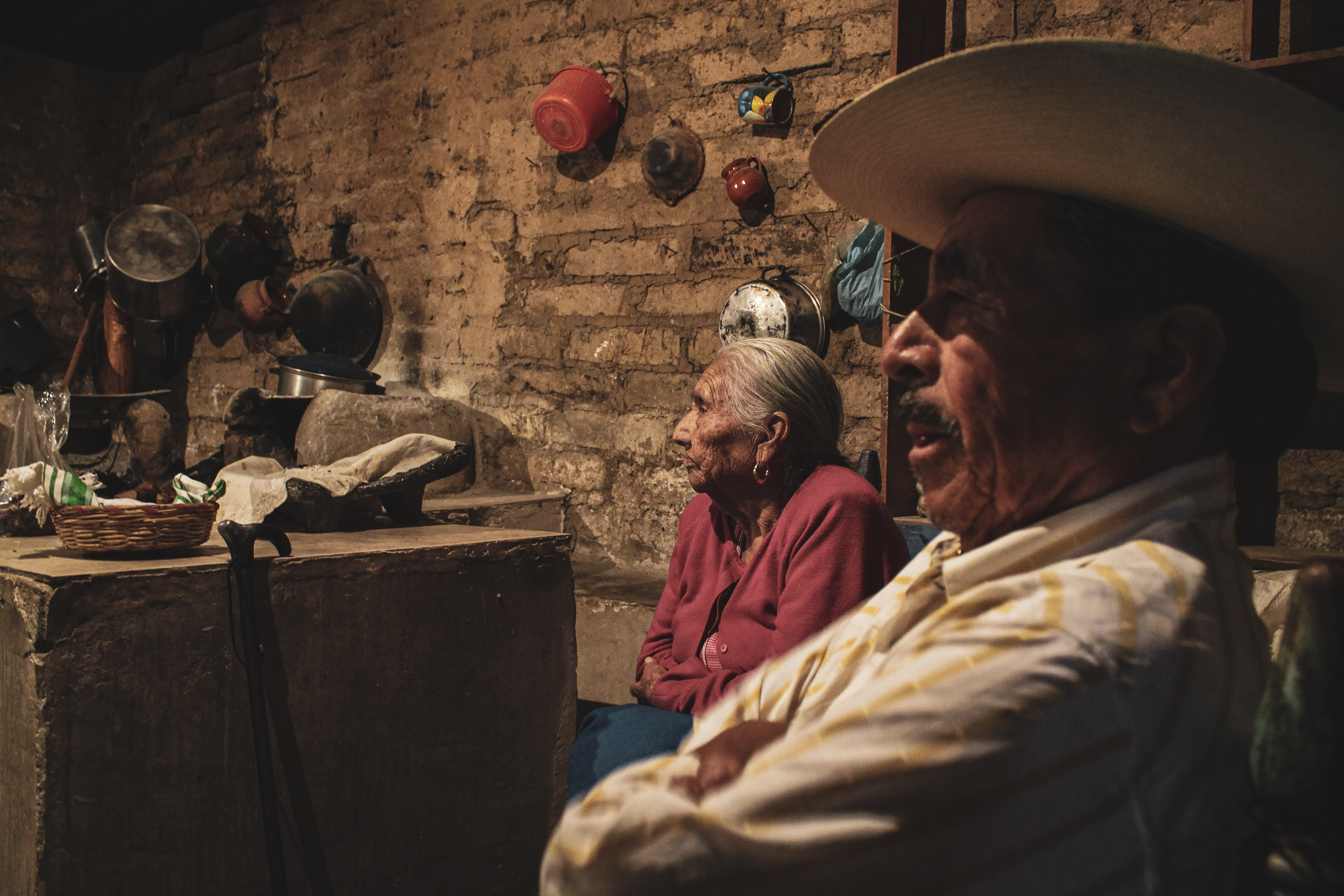
In my early 30s I was able to travel home more often. My new “station in life” allowed me to spend more time reconnecting with my past. I traveled back to the village to spend some time with her, with my uncle who never left that place, and my dad who had decided to move back there. Everything had changed so much. The old houses made of mud bricks were gone, replaced with brick and cement. The rough dirt roads are now somewhat decent stone roads. Almost everyone now has running water and electricity. Everything had changed except my grandma, she was 99 years old and for some reason I don’t recall her being any other age.
When her health started deteriorating she suffered a fall that she was never able to recover from. I decided to go visit to help my dad with a few things but by the time I got there she was in and out of consciousness. One day she started feeling really bad. She was in horrible pain. We had to take her out of the village and to the nearest hospital. It’s only 20 miles away but driving on the dirt roads down the mountain and through the winding, one way road to the nearest city, the 48min drive turns into almost 2hr journey. The deteriorated infrastructure and the general condition of the hospital left me in shock. How does anyone get well around here? How can anyone do anything with such limited resources?
I started getting angry. I was angry at my father because he never told me how bad the situation was. I was angry that he never asked me for help. I would’ve sent money to take her to a real hospital in Mexico City. Anything. Why didn’t he say anything?! Then I had the thought, ‘I never asked him. I never called.’
It was a terrible realization, that I had been so disconnected from her life for such a long time due to my pursuit of success and what it all had demanded of me. An investment of time, money and emotions that left no room to worry about the people I had left behind. I realized I was living the same life my father lived for decades. A life that took him away from us, from his village, and everyone he knew. He had only come back to take care of his mother when there was no time left.
I thought to myself, that can’t happen to me.
I always knew, that I would have to work four times harder than someone born here if I wanted to get anywhere in life. Learning a new language, navigating a different culture, figuring out who I was supposed to be in a world that wasn’t made for me. I thought I had accepted all of this. I really did. I did not know that subconsciously I was paying a price. I was sacrificing parts of myself in order to adapt. I fought savagely to not let this strange world change me, but still, I had to cut pieces of myself off so I could not feel the pain of having to run through a field of thorns. I truly did not know what was happening.
When the reality of my life was too much for me to bear, I drank again. I had been sober for 3 years and I really thought I had it all figured out by then, but I was only 24. What could a 24 year old know about life? I was a child.
After 2 years I came back to sobriety and I realized that the responsibilities I had neglected had not disappeared-they had multiplied. All the men in my family were gone. Drank themselves to death, some got deported over their drunken recklessness, and my father took off to take care of my grandmother, a journey from which he never came back.
I was newly sober, again, staring at the massive responsibilities that had accumulated over a 2 year period. I was now the head of my family and I had nothing to offer. No direction to follow except one thing: I was supposed to take care of my mother. And very quickly that responsibility grew to care for an entire generation of my family. 14 years after that crippling realization, I am not entirely sure that I’ve done a good job or a bad job. All I know is that I have done the best I can with what I have. And in the process of doing this I have come closer to an understanding of the men in my family. Why they chose to seek oblivion in a bottle, to disconnect, or to simply leave. At times, I felt the desperation to do the same.
“He who has a ‘why’ for which to live can bear with almost any ‘how’.” There were times when I wondered, what keeps me going? Why do I persist in getting up every time I fall, and continue on this road surrounded by a meaningless void. As I grow older I understand that this simple directive “take care of your mother” has been my only Northern Star signaling the path, and I see just what a powerful motivator this has been through the hardest times of my life. I’m not entirely sure how this even formulated at the core of my being but I know that it’s all I’ve ever had.
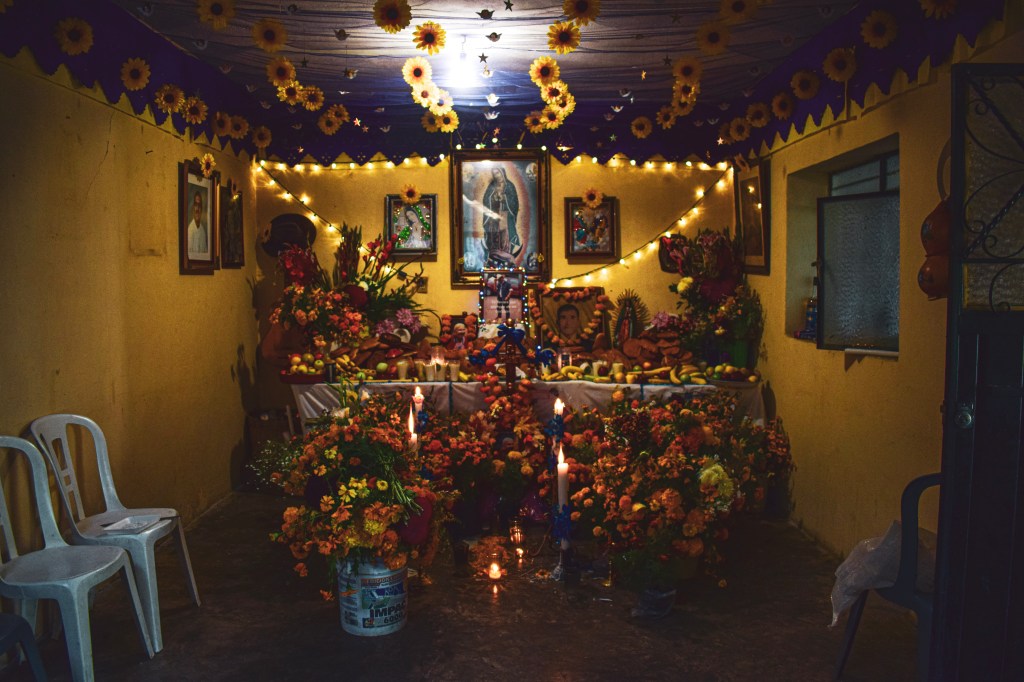
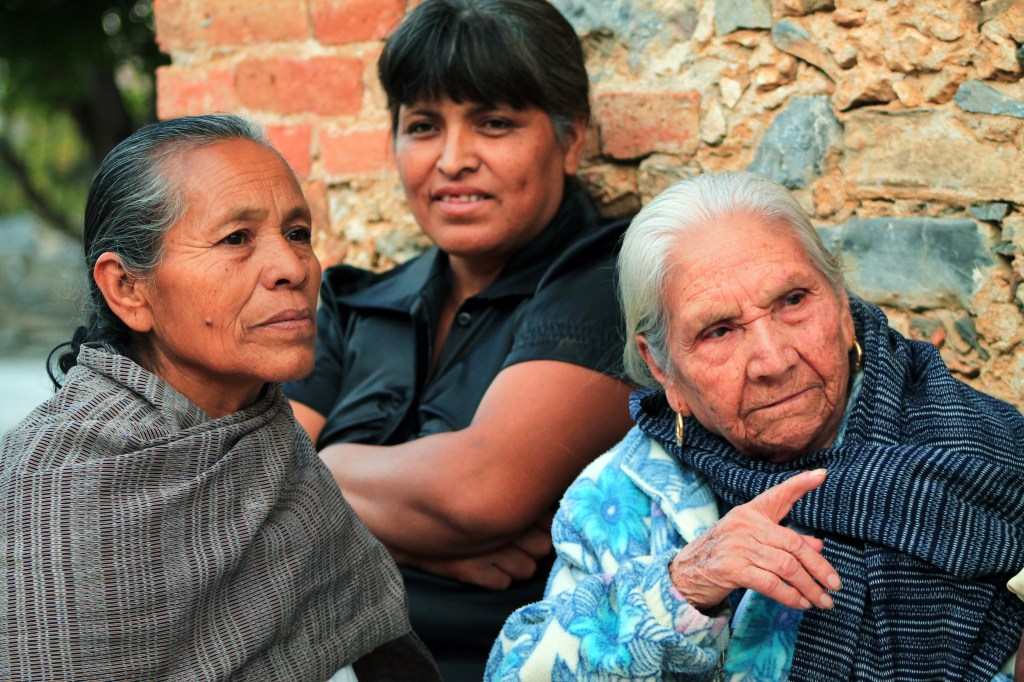
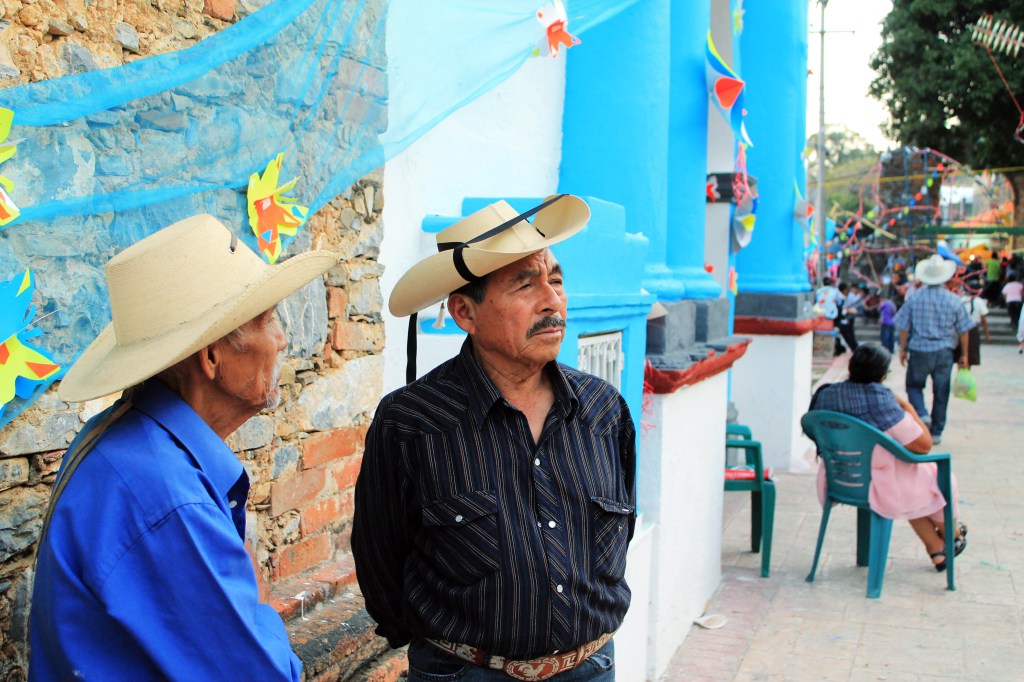
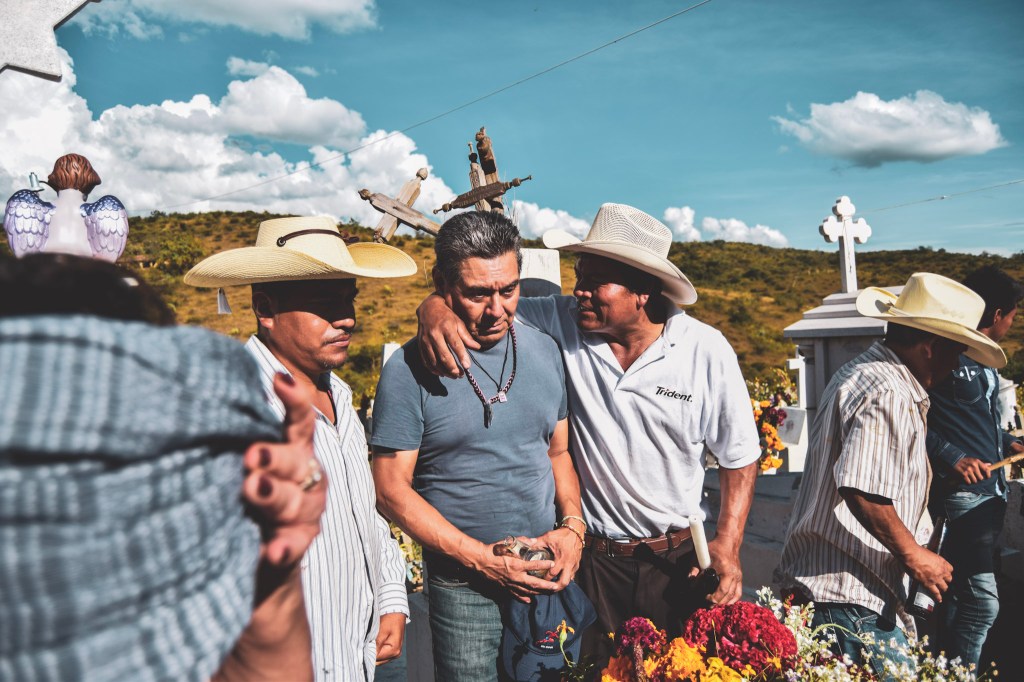
When the inevitable happened, I went back to Southern Mexico to help my dad with the funeral. By the time I got there my grandmother had already been buried, but more ceremonies followed. It started with nine days of prayer. All my grandma’s neighbors and other people from the village came over to the house, to help, to clean, to cook and to follow the prayers. They do not leave you to grieve by yourself. At one point, towards the end of the nine days of prayer, my uncle and I had to take sacks of maize and distribute them across different houses in the village. On the last day, everyone comes to your house with meals made from that same corn for a final feast, and to leave you enough food to last you for a few weeks.
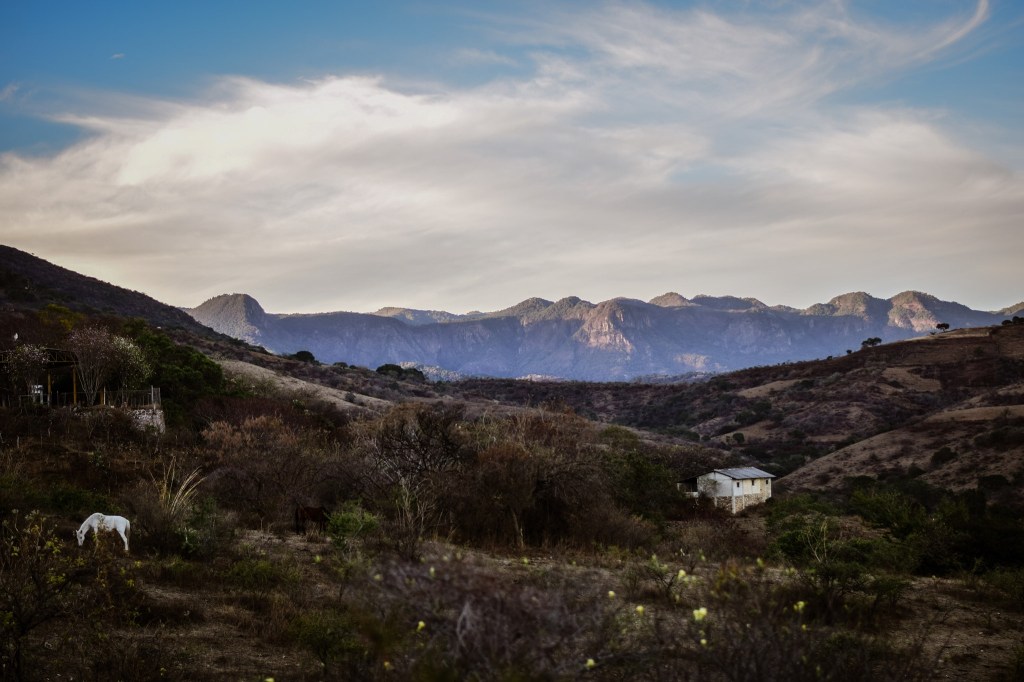
I walked up and down hills with 55lbs of corn on my back. My uncle, possibly 30 years older than me, walked around with his sack of corn like it was nothing. I was exhausted. Finally we reached the last house, and the dark clouds that were looming all week, finally released a much needed rain. It was almost perfect, the smell of the wet soil, the trees, the burning wood in the clay kitchens and the houses still made of mud bricks. I stood there, with my empty sack of corn, just looking at the mountains in the distance, taking in the scents of a forgotten life, in a forgotten place. There were no cities, no highways, just the last remnants of a way of life that was slowly fading away.
At the end, when I was ready to come back to California, back to the routine of my corporate life. My father came up to me, right before I was going to get on the bus and said “I am sorry I was never able to be a normal father, and maybe that’s because my own father died when I was six, so I had to raise myself.” I always knew that my grandfather died before I was born, but I never knew he died when my father was only six years old. As he turned away I felt something rearrange inside of me. The last part of me that still wanted to hate everyone and everything started to disappear.
One of the biggest puzzles of my existence finally made sense.
They found my uncle dead last night. He had been drinking himself to death for years so no one was really surprised. After 20 years living in Chicago, he ended up back in the old village where our family started. He went blind, his brain atrophied and his liver had cancerous tumors. The only thing he had in the end was his bitterness and resentment against everyone and everything. He pushed away everyone that tried to help him and he chose to die alone. That’s how much he hated the world. The scary thing is how much I related.
All the men in my family have killed themselves in similar ways. There was a time when I would not have cared about that. Maybe even thought we’d all be better off without them. I carried them for a long time, in the form of resentment, disgust, embarrassment and hate even. In my earliest memories of them, they were always drunk. One time I remember seeing one of my uncles trying to break into his own car. I happened to be playing soccer with some other kids from my street when I saw him in the distance. I went over to him, he was covered in sweat and trembling. Years later I would experience the same symptoms for myself, acute alcohol withdrawals. He was very angry from the desperation, trying to get into the car by smashing the window with a brick and get himself to the closest liquor store (my aunt sometimes would go to work and take the car keys with her and leave my uncle locked up in the house). I told him even if he got into the car he would not be able to start it without the keys. He then chased me with the brick and threw it at me.
My dad’s brothers used to have disturbing outbursts of violence. I never knew what to do with the juxtaposition of the fun uncles and the potentially harmful men. It became a thing you get used to, in the middle of family gatherings, to see them slap their wives around. My father never made public displays like that, his were always private. I do remember seeing it, spying through half opened doors, until that one time when I was old enough to fight him back. I don’t know that the fists of a 13 year old can do any damage but he stopped. And after being dragged across the floor by her hair, my mom still got up, went to the kitchen and served him his dinner. The weird thing is that my father never had his moments when he was drunk, he always did them sober.
I never took the time to analyze how all these situations effected me. I never really had the chance or the tools to do that. As a child I just accepted that that’s how life was because I didn’t know anything else. As I got older however, as I became a man myself, I didn’t know how to confront the fact that I also had the same potential for violence, simply for being a man. Not knowing how to deal with that, I chose to repress the thoughts and the feelings. I realize now why every time I got into an argument with anyone I dated, I’d shut down. I never learned how to express myself, I never knew how to utilize words to explain what I was feeling because no one did that. So, I would resort to bizarre, conversation killing, finalities. “I don’t love you anymore” and walk away, afraid to find out what would happen if I actually tried to let out what was eating me up inside. I thought it was preferable to disappear emotionally rather than let the aggression inherent in me and the violence that I grew up seeing possibly overtake me. I was so afraid of that. I tried my best to keep it away from people so I built walls too thick and too high so that no one would ever see what I was hiding behind them.
I was wrong though. It wasn’t a violent monster that I was hiding behind those walls but the scared little boy that witnessed all those things. I didn’t know though, no one ever told me that. Society acts as if it’s something that should be self evident. Didn’t you know kid? You were supposed to talk about the things you saw and the things that you heard. Don’t you know? A men is supposed to look after his mental health, you’re not allowed to become an inconvenience to society and all the people you’ll ever meet…
It took me a long time to figure out, my dad and his brothers didn’t know either. No one ever told them either. With all the advantages that I had, access to a different version of the world than the one they grew up with, the ability to learn a second language… I still didn’t know. They were men trying to rise above a chaos that they didn’t create, they were born into it. A dysfunctionality that started centuries before they were even born. They fought a losing war for decades. Them, their father, and their father’s father. And even with the massive weight of all that past, they still tried, they really, really tried. They provided, even with the limitations of our circumstances, I never knew hunger like they did. I know they wanted to be good fathers, protectors but no one taught them how. I don’t blame them for anything anymore. How can I? Knowing full well how hard it’s been for me to change. How horribly painful the journey to know myself has been. Today I am amazed that they even accomplished as much as they did.
My mom’s brothers were broken by their childhood though. I understand now why they drank themselves to death when they were still very young. There was a fatalistic drive to the way they drank, something my dad’s brothers didn’t have. The things I saw are nothing compared to what they grew up with. Their father, my grandfather, was an extremely violent man. He died before I was born but the stories that my mom has told me are enough to traumatize anyone. The viscous beatings he gave my grandmother, while my mom and her brothers watched, left a long term damage on their psyche. My grandmother still bears the scars from decades of abuse. She tried to leave him many times, taking the youngest children with her, but somehow her parents-in-law always convinced her to go back. Where was she going to go anyway? An indigenous woman who didn’t know how to read or write, with 7 kids, in a poor village up in the mountains, where no one had electricity or running water. Finally, when my mom’s brother was old enough to fight back, he took the belt off my grandfather’s hand, pushed him onto the floor and told him he was never going to lay a hand on her ever again. The beatings stopped, but my uncles re-lived that violence, internally, for the rest of their lives. When they killed themselves drinking no one could understand why they had become so resentful and bitter. Everyone acted as if it was all a mystery, like all of those things never happened.
My mother always says that sometimes it feels like the men in our family are cursed. It’s easy to believe that there was a force at work making them act out those patterns of self destruction, because it was all so illogical, abnormal and unpredictable. Just as if they were being possessed. Now I know that, for the most part, they were not even aware of the things they did. They were a puzzle to themselves as they were to their wives and children. One thing my mom was right about, there was an invisible force at work controlling them. Not a supernatural evil entity outside of them, but rather a really human drive buried deep within them. A deep desire to understand themselves but not being able to.
It’s so easy for people to talk about generational trauma these days. Everyone thinks it is as easy as simply healing it. It’s a catchphrase, a hashtag, a million dollar industry. Disney even made a movie about it, songs and everything. The real talk about how men should go about healing themselves never happens though, never gets taken seriously and everyone just goes around thinking that we should’ve just known. Even now, I still don’t know. I’m still working on it. Sometimes, even after years of truly working on my issues, I still ask myself: what is wrong with me? And I have no answers. The only reassurance I have that I’m going in the right direction is seeing my nieces eyes when they look at me. There’s never any terror or loathing. They’ve never seen me drink, I quit years before the were born. They will never see me, or my brothers, tearing ourselves apart. When they grab my hand and drag me over to show me their drawings, when they burst into my room and start jumping on my bed or when they want to show me their favorite scene on some random cartoon; they give me all the answers I will ever need.
I have all these memories of us watching your collection of concerts on VHS. That’s how I learned about Ozzy Osbourne, The Scorpions, Queen and KISS. We loved KISS. I have all this pictures of us at the Mexico City zoo and the apartment we shared for some time. I wish I could remember those times but unfortunately most of my long term memory is gone, except that one memory. The recurring memory of the day you died.
I was only 5 years old, you were only 17. My mom’s youngest brother. I came into consciousness that night, in a taxi cab we took from Mexico City to the mountains of southern Mexico. I remember the headlights illuminating the darkness, no electricity, no paved roads. The car was forced to go around the cattle on the dirt road. The dark silhouettes of the dried up trees, like skeletal hands coming out of the earth reaching upward.
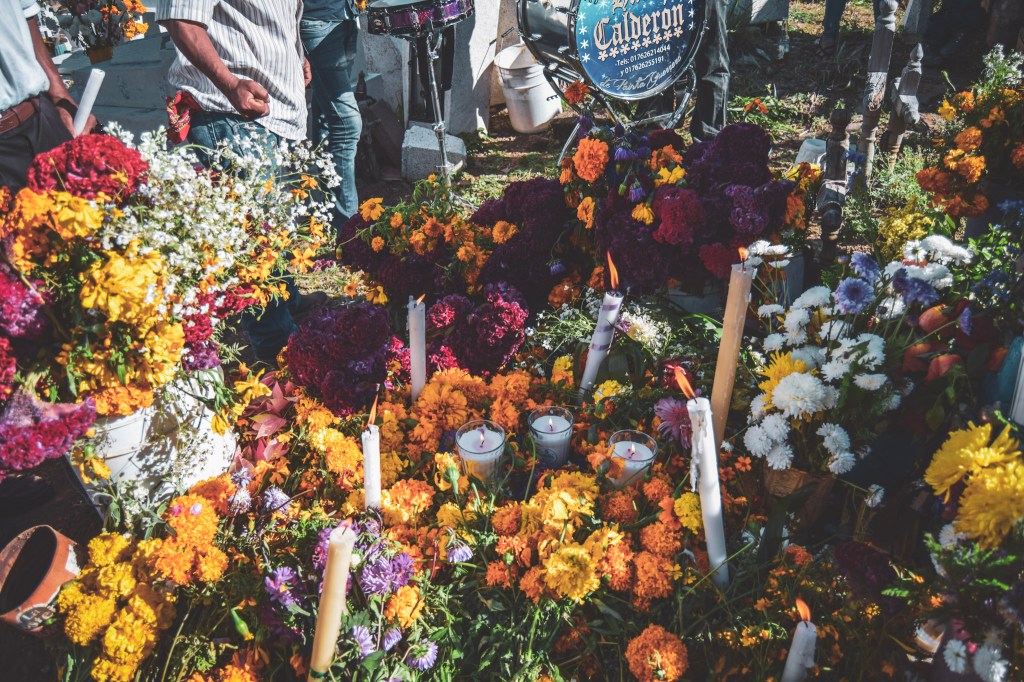
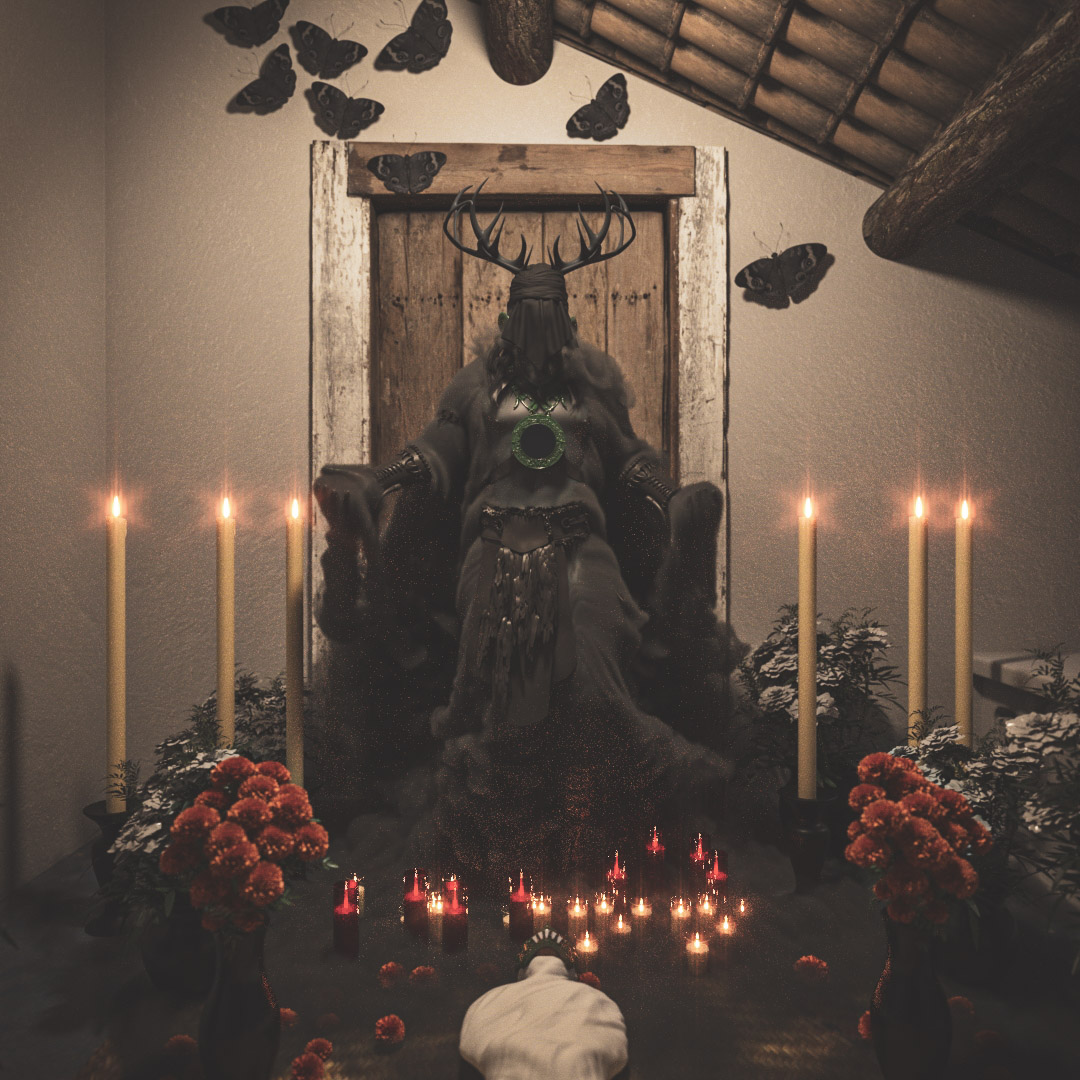
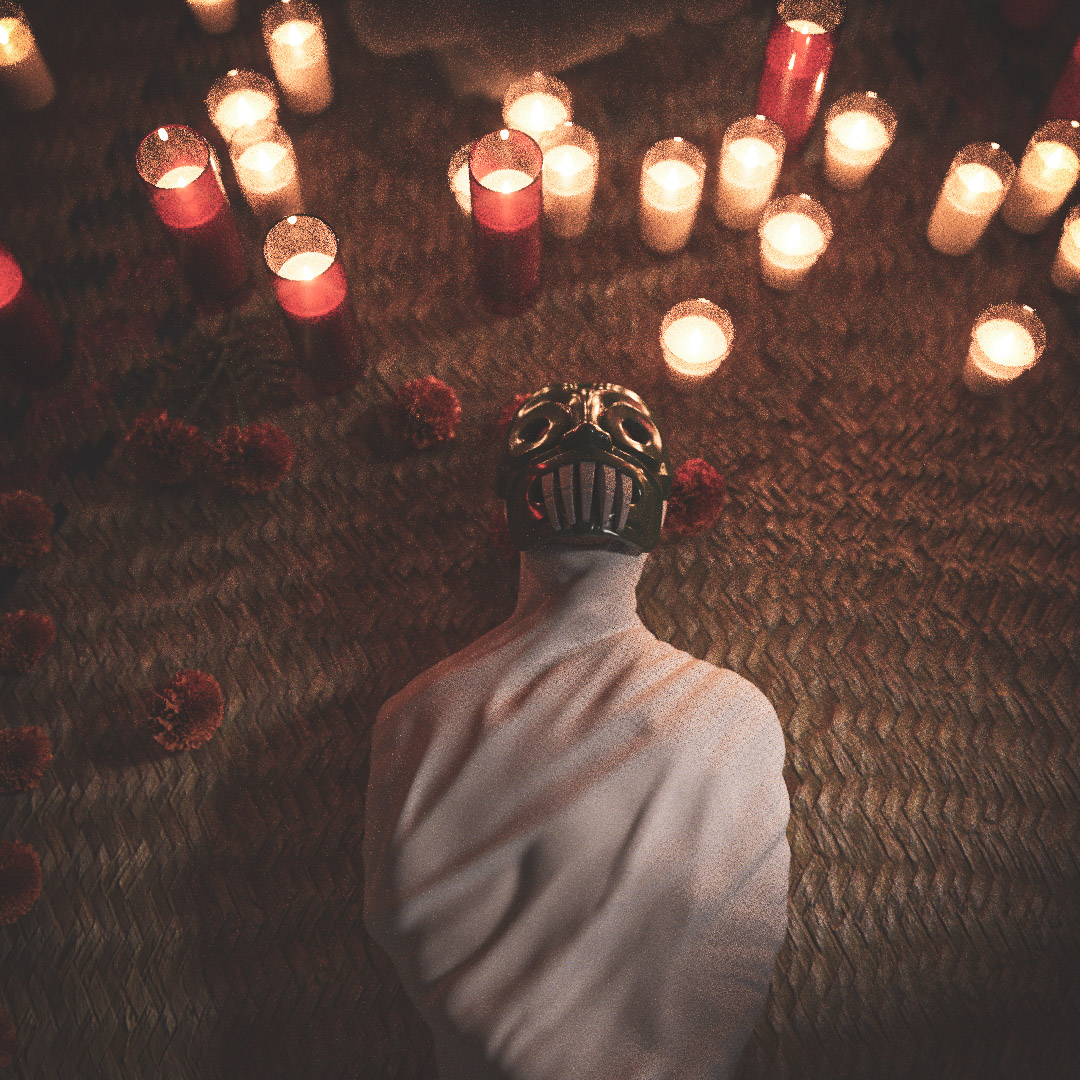
Suddenly, I could see in the distance the faint lights of the few houses in the village that had electricity. We finally reached grandma’s house and that’s where I saw you. For the last time. Laying on a table, wrapped in a white sheet. You looked like you were sleeping. Women covered with their black shawls, holding candles, praying the sorrowful mysteries. All of them chanting in unison, like a wailing cry. I never forgot it. It was impossible to forget because I witnessed the scene again and again for many other people in the village. For years, I was closer to death than anyone else.
Hail Mary, full of grace. The Lord is with thee. Blessed art thou among women, And blessed is the fruit of thy womb, Jesus. Holy Mary, Mother of God, Pray for us sinners, Now and at the hour of our death. Amen. Glory be to the Father, and to the Son, and to the Holy Spirit. As it was in the beginning, is now, and ever shall be, world without end. Amen.
That was the day the darkness took me.
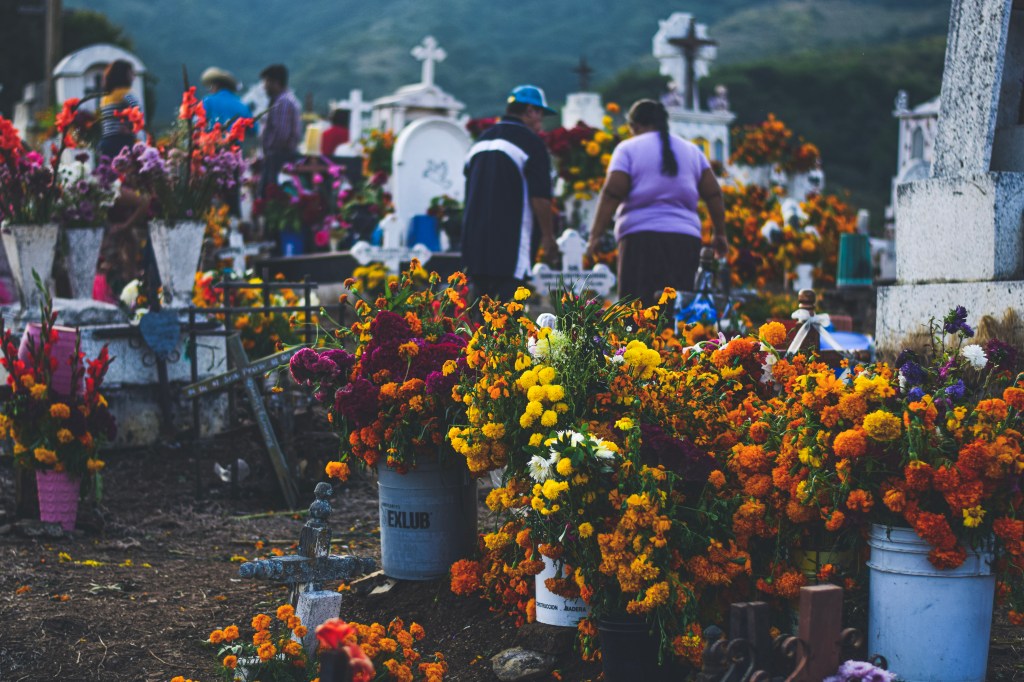
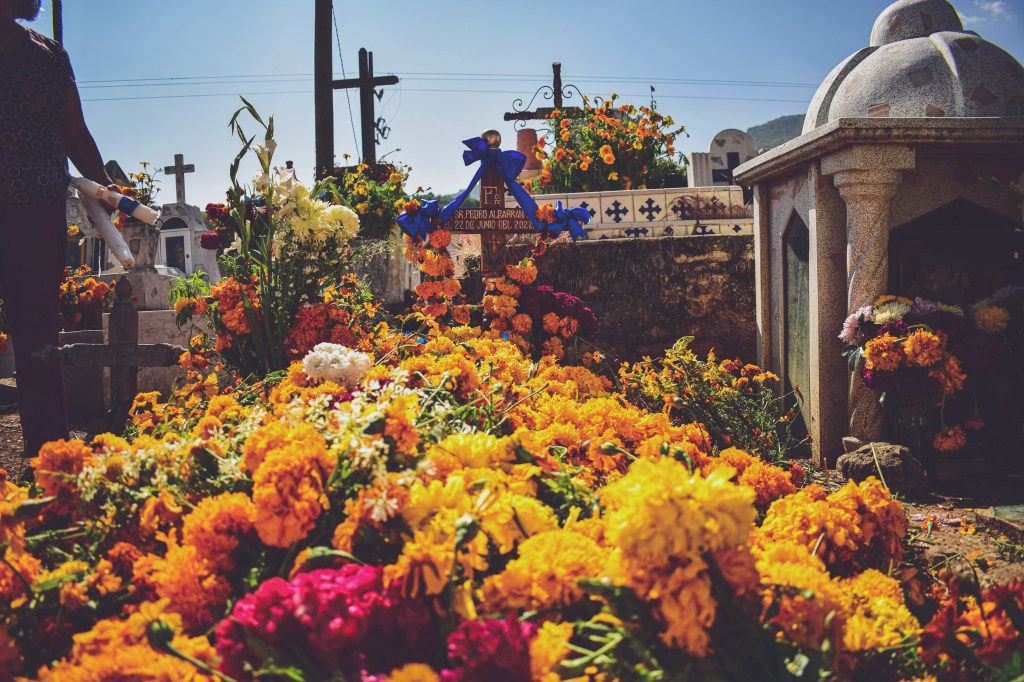
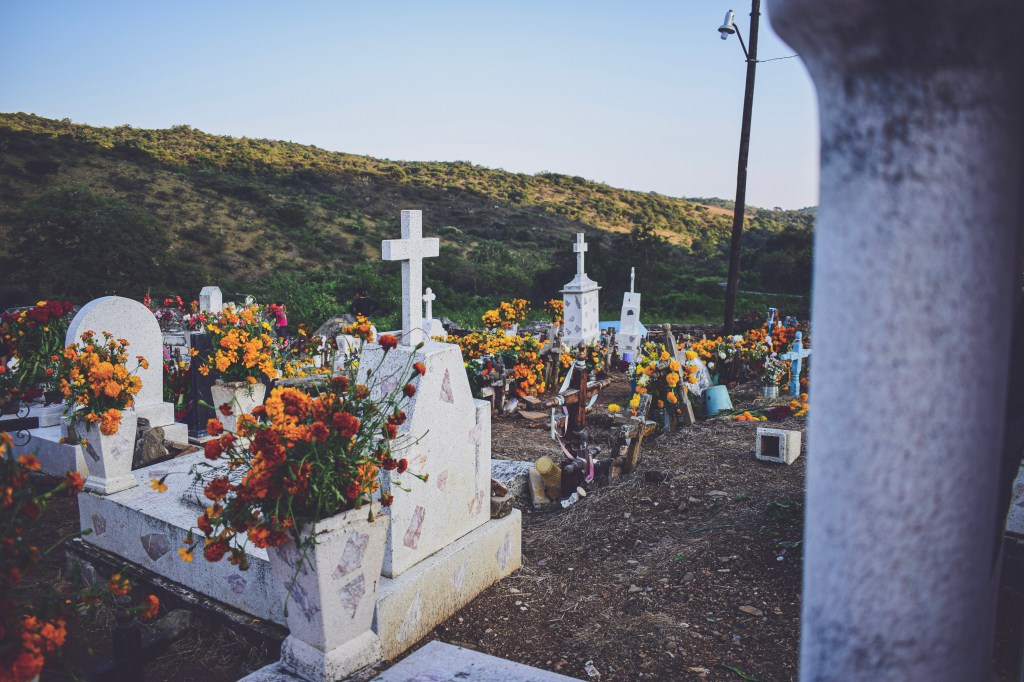
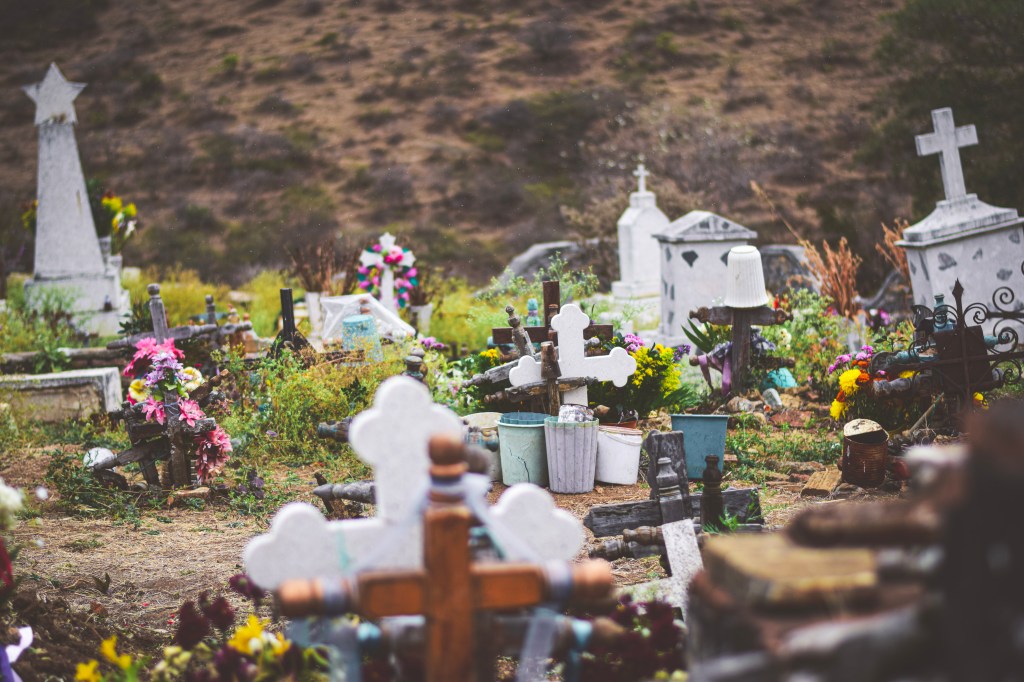
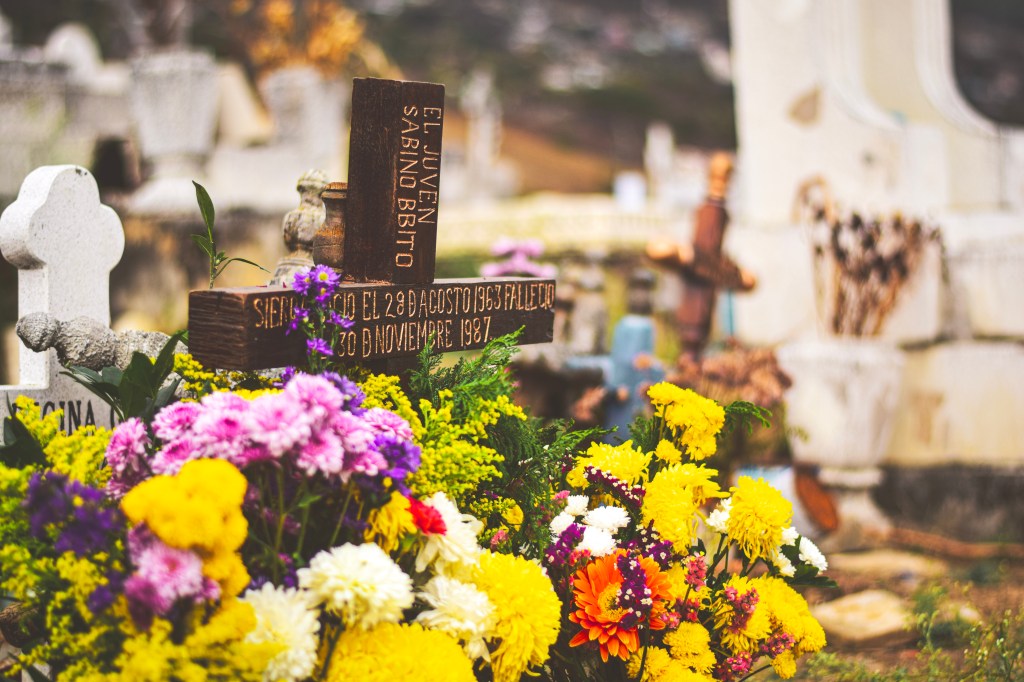
The funeral procession was the next day. Going down the mountain in that rough terrain, rocky and dry, I marvel now at the fact that people were able to carve a life out of that environment. I have vague recollections of that day, as if coming in and out of a drunken blackout. I remember the hole in the ground, the men lowering the casket and covering it after. What I remember the most was my grandmother’s wailing screams. I will never forget that. Throwing herself on the ground, like she wanted the earth to swallow her too. There was nothing around the cemetery, even to this day. Nothing but dry hills and mountains in the distance. Desolate. Forgotten. Only the sounds of the funeral songs, ancient native melodies, with Christian words, echoing around the hills.
A friend told me once, “You know, that story you told me about, the funeral procession going down the mountain, it gave me such a mental image, you should really do art about that.” I said, “I’ve been trying but I’m still working on the day I got to my grandma’s house” “Oh, when you saw him laying on the table?” “Yes, I’m stuck there. I haven’t left, I’m still stuck in there.”
I realized I wasn’t speaking figuratively. Not only my artistic vision is stuck there but psychologically, I never really left that place.
Finally one day, sitting at my therapist’s office, almost 30 years after it happened, she asks after a long discussion: “How often do you think about this?”
I don’t recall this memory being too present when I was younger. It became more active in my head when I was around 14, almost like an intrusive thought. After, I was too drunk and sedated to remember until I sobered up the first time at 21. Then I thought about it everyday. I can trace back the entirety of who I am to that moment and that place. For years I had this recurring dream that I was driving my dad’s old car, or that I was riding a bus, down to southern Mexico. In my dream I go through all the roads leading up to the village. My psyche kept taking me back there. To face the worst day of my life, but I’d always wake up before reaching my grandmother’s house. I had that dream for a decade.
OLYMPUS DIGITAL CAMERA
“What do you think will happen if you stop thinking about it?”
“What will happen if I stop thinking about it? Will I just forget about him entirely?”
I burst into tears as soon as I say that.
I don’t recall ever crying over any of my dead. I’ve had old cries bottled up in me, for decades. They’ve been catching up with me for a few years now. They chased me long enough.
I realize now that the darkness that took me wasn’t the worst thing that happened that day. It didn’t take me away, it adopted me, it was always meant to bring me back. It protected me. It helped me survive. So that one day I might make sense of it all, in my own time. To bring that darkness into the light would be my hero’s journey, my call to adventure. To take the pain and the tragedy and make something useful out of it, that it might give my life a deeper meaning and purpose. That the resulting freedom would justify the tragedy.
I seem to have found it. But it’s deeper than I thought and I continue to search, and learn and discover things about myself. If I can ever become an expert on anything, if I can ever truly own something, it should be my own story. The story of my family, of my people. I am them, and they are me. I feel not just my pain, but theirs. I shed not only my own tears, but the tears they couldn’t shed.
“There was never a time when I did not exist, nor you, nor any of these kings. Nor is there any future in which we shall cease to be.”
Laying next to her, looking deep into her eyes, I said ‘I have never seen your eyes like this. They look so big and sparkly.’ Immediately I thought I sounded really stupid but I couldn’t describe what I was seeing at the moment. Her bright green eyes dilated, the tears she was holding back reflecting the entire room. I thought I could see an entire universe reflected in those eyes. I’ll never forget it. She said ‘Your third eye is fully open, and it’s beautiful.’ I had no idea what she meant by that. I had grown accustomed to her little sayings, baffling and full of impossibilities to my analytical mind. It was nice though, having someone taking me up on a balloon ride of imagination and fantasy. My feet have always been planted too firmly on the ground.
Such moments have never lasted long for me. I have always considered my priorities to be different than most men. I have no time to dedicate to someone; I had been on a path of self destruction for so long and a path of extreme discipline afterward (sometimes there was very little difference between the two) and a high degree of self obsession is necessary to accomplish either one. This obsession leaves very little room for anyone else. In my brief time here I’ve had more relationships than I expected to have, or even wanted, but I’ve only ever been in love three times. Each time far more intense than the previous one but also much shorter lived. It always ended the same way; them going on different directions, trying to catch dreams made of smoke. In other cities. In other countries. Meanwhile, I remained in the same place building a house, a fortress, where I get to hang all these memories. All these moments I never planned on having. Never even longed for them.
I suppose when you get older you start to reflect on your life and think of all the people that somehow touched your soul. None more special than the ones I shared the ultimate degrees of intimacy with, but only after all the resentments, regrets and feelings of rejection were over. Some small and petty, others a dark poison that I feared I would never be able to get rid of.
Your third eye is fully open… I still think about it sometimes. I remember the day it ended too. Like it always does. Knowing they have no intention of staying put, I leave before they can leave me. She said something very strange, ‘I’m sure all I’ve been to you is some tall blonde that made you feel like a man.’ I realized she was very well aware, and very self-conscious, of her imposing figure and beauty. It was an obstacle for people to see her as she really was. My response revealed the meaning behind her cryptic assertion about me. ‘I don’t need you to feel like a man. I already know how to be a man. I fell in love you because you made me feel like a child.’
I remember one time sitting at my therapist’s waiting room next to a small boy and his mom. The boy was being very playful, you might even say sweet; laughing and hugging his mom. The scene I was witnessing was probably a very normal thing to see for most people, but for me it was something that filled me with an overwhelming sense of disgust. My therapist finally came out and signaled for me to go back to her office. As I walked by the boy, playing on the floor, I was overcome with a deep desire to kick him right in the face. I didn’t of course, I am not a psycho. But those feelings of anger and disgust towards a little boy were so visceral, they scared me. It was the first thing I mentioned to my therapist as soon as I sat on her couch. I kept going on and on about how much that scene bothered me. She kept asking me questions, trying to help me figure out why I was so angry, until I finally blurted out ‘Because little boys aren’t supposed to be cute!’ As soon as I said that, her eyes teared up. That wasn’t unusual. I had seen her for over a year by then and I had gotten used to that, I even used it as a sign that I had just said something that deserved closer examination. I don’t know if those reactions were strange, or even professional, but I found it extremely helpful. She knew enough about my life by then to know when to give me certain pointers. She said something like ‘sometimes we can feel upset that other people have access to things we didn’t have.’ I analyzed that day for a really long time. I still remember how it felt, having a flood of memories gradually turning on in my head, like a blinding light. Every time I felt like crying, I felt like letting go of a cry that I had been holding in for a really long time but I always managed to stop myself.
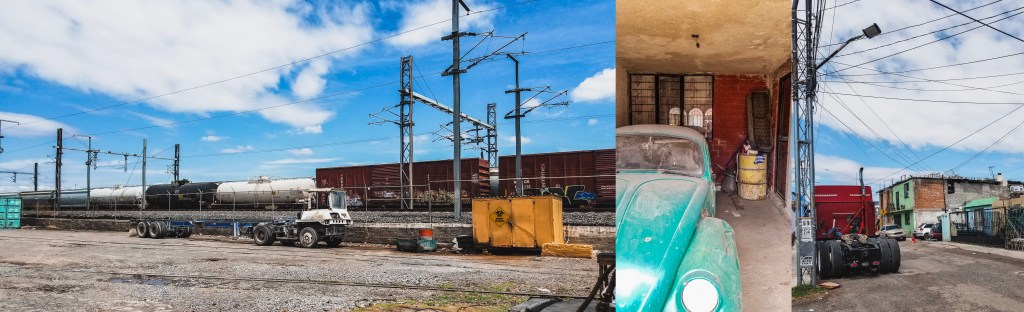
There were a few times when I tried to talk about some of these memories but it always came out wrong, I didn’t know how to do it. I was talking to someone once about the neighborhood where I grew up. There was a major railroad route that crossed behind my street. Typical neighborhood for the region, streets covered with potholes, trash and stray dogs. Freight trains that came from Central America had to stop at the customs checkpoint there. Illegal immigrants from Central America, crossing Mexico to get to the U.S., would jump out of those trains, go through the neighborhood asking for food or whatever else people could give them and go around the checkpoint to jump back on the train. Not everyone made it back, people sometimes got in accidents, breaking limbs or getting crushed by the train. My cousins and I used to go play on those tracks, almost waiting to see one of those accidents.
One day an immigrant from Honduras came to our door, begging for food. My mom went back to the kitchen while I stayed at the door, just staring at him. The look of fear and desperation on his face never left me. For a long time I had dreams about him and always wondered what happened to him. If he ever made it to the U.S. or if he died along the way. My mother gave him two tortillas, some rice and a boiled egg which he immediately devoured. In the middle of telling this story to the only person I let get close enough to me at the time, my voice started to break and I almost cried. I still remember the embarrassment I felt, like I was somehow a lesser man. I never did it again. Overtime I started having issues with insomnia, nightmares and depression; eventually leading me to an alcoholic induced mental breakdown and a severe identity crisis. Everyday I woke up sick from alcohol withdrawals, sleeping on the floor, surrounded by a sea of empty bottles. It almost feels surreal, thinking about the last few months I drank like that. In a drunken blackout I locked myself up in my studio apartment, shut all the windows, disconnected the stove and let the gas running. I don’t remember doing that. Surprisingly, a friend I had been talking to the night before showed up to take me to an AA meeting but ended up taking me to the ER instead.
It wasn’t the first time that I drank myself into a psychotic break. The first time happened when I was 20 years old. After 3 years on my own, years of absolute self destruction, I was forced to move into my mom’s garage. I shut myself up in there and drank myself into oblivion. Almost everyday I woke up shaking and sweating from the alcohol withdrawals, almost convulsing at times. It felt like dying. I started seeing and hearing things, a result of constantly going through Delirium Tremens, and I even developed a strange agoraphobia. I was not able to leave that garage unless to get more to drink and to smoke. I couldn’t even leave to shower or go to the bathroom, I filled up empty bottles with my urine and collected them around. The stench of that place became unbearable but I couldn’t do anything to change that. My mother would come in sometimes to make sure I was still breathing. I never knew what to make of all that.
Years later, in my third year of sobriety, I was working in the shipping department for a sunscreen company. My coworkers were teenage Mexican American boys who never lived in Mexico. I remember telling them stories of growing up in the rodeos of Southern Mexico where I worked with my father. They were so curios about the whole thing because they’ve never seen it but watched them on video with their dads. Rodeos in Mexico are not at all like rodeos in the US. They are extreme and are usually held in some of the most impoverished, rural and remote places. There isn’t a lot to give people a break from their circumstances so the rodeo is a loved spectacle. You get to see a lot of real, hard life in those places. All the terrible accidents I witnessed, being stuck in the middle of full blown riots, acts of violence and having free access to alcohol since I was like 7 years old. I told the guys about the times I saw fatal accidents, bull-riders dying on the spot from their injuries. The way the people just picked them up, threw them in the back of a truck like a rag doll, and took the body to their families. There was no ambulance, no hospitals, nothing coming to the rescue in those places. I saw a man once with his face split open, after a bull had stepped on him, choking on his own blood. I stood there until I saw him take his last breath. One of the kids suddenly said ‘Isn’t that like, traumatizing though?’ The question shocked me a little bit. ‘Traumatizing?’ I said. ‘No, it isn’t traumatizing. It’s MAN shit. I’m telling you some MAN shit. What are you talking about?’ We all laughed. That manly laugh that occurs when you’re in denial.
After two years of therapy and six years of sobriety my life had taken a very different route. The work I had put in to have a successful professional life had finally paid off, I was driving a car that didn’t leave me stranded on the middle of the road, I was taking care of my parents and I had just gotten back from a Europe backpack trip where I visited 5 countries. Life was unrecognizable at times. One night driving home from work I had a moment, an experience really, while listening to a song by a Mexican singer that often performed at the rodeos where I grew up. It triggered a memory of the time my cousin and I were trapped in a badly constructed rodeo arena that almost collapsed. The makeshift bleachers that surrounded the rink were very unstable and built up way too high. Suddenly a fight broke out, which wasn’t necessarily out of the ordinary, but this one kept growing out of control until it turned into a full blown riot. The bleachers started shaking, almost like an earthquake, and the stampede of people rushing down made it even worse. My cousin was working on the opposite side of the arena and came back to get me. I must have been 11 years old, my cousin was only 7 years older than me. I stood there frozen, not knowing what to do, on one side there was a crowd of people trying to get out and a massive fight going on on the other side. Some guy told me, I’m going to have to pick you up and throw you down so your cousin will have to catch you; he then dropped me probably a two stories height. I was a very small kid for my age, so my cousin caught me and we forced our way out through the crowd trying not to get stomped on. Driving home that night, with all those memories coming back to me, I thought to myself ‘I must’ve been really scared.’ Then, I suddenly realized that it had been me who had lived through that. Those were all my experiences. I always told my therapist that my memories never seemed like my own, as if someone was playing a movie in my head, a movie of someone else’s life. That night I could feel, at last, that those memories were my own. I had lived through that. I was that terrified little boy. I finally cried. It was a cry that got more and more intense with every minute. I even had to pullover, I couldn’t keep driving. All the years of repressed fear, anxiety and uncertainty finally caught up with me. All the feelings I couldn’t experience all those years I was in survival mode I had to feel that night, all of them at once. At one point I even started laughing, maniacally, at the same time. I thought I had finally lost it, I was finally broken. But I wasn’t breaking, quite the opposite in fact, something inside me was being put back together. I will never forget that night for as long as I live.
I have always been bothered by a comment my mom always makes, “You used to smile all the time when you were a kid, I don’t know what happened to you” It always bothered me, to the point of bitter anger, but I could never figure out why. As I got older I was able to look back on my life and I was given the rare opportunity to analyze the moments that fundamentally changed me. Slowly, I started remembering pieces of a puzzle that didn’t seem to be my own at first, but overtime I was able to assemble parts of it to be able to remember with sufficient force some of the events that defined my childhood.
I have almost no memories of my dad for the first 5 years of my life; he was a migrant worker in Chicago, sending money back home to us. At the time it was just me, my mom, my sister and my brother who had just been born. We shared a small two bedroom apartment in Mexico City with my grandmother, my mom’s sister and her 2 brothers. My uncles were the male role models during that time. They were taken from me when I was still very young. One was murdered in Mexico City and the other one died in a freak drowning accident, both incidents revolving around alcohol abuse. For decades I replayed the events surrounding their deaths in my head. Nobody explained to me what happened, no one ever said a word, and I don’t think I even asked. That was just life.
That’s around the time I stopped smiling. My mom would still lose two more brothers to alcoholism, both of them died of cirrhosis of the liver in NY while still relatively young. She has one brother left, fortunately he quit drinking a few years ago when he found religion.
The men on my father’s side of the family were also alcoholics but somehow they’ve been able to prolong their suffering to a much older age than my mom’s brothers. After leaving Mexico City in 1990, we moved west, to the city of Queretaro, and there I grew up with my dad’s side of the family.
I was forced to grow up fast during that time. My dad’s brothers and sisters had been living a highly dysfunctional life for decades. I still remember my aunt screaming at her husband about his drinking. I will never forget the things she used to say to him as she pulled his hair, almost tearing it out, hitting him with whatever she could find. He was the man that practically raised my dad after my grandfather died of alcoholism when my dad was only 6 years old.
My dad’s brothers were a different story. I remember one time going to one of my uncle’s house, they lived in the street behind me, and I found his wife unconscious on the floor after he had knocked her out. I remember her coming to my house, with a black eye, to talk to my mom a few times. I have this vivid memory of her with a Marlboro red and a beer, holding her forehead, trying to figure out what was wrong with her life.
She died in a car accident years later while she was out drinking with a friend. I still remember the night she died. What I remember the most was how devoid of feelings I was when I learned what had happened. My brother and my sister couldn’t stop crying and I couldn’t feel a thing.
When we moved to San Diego at the end of 1999, we shared an apartment with another one of my dad’s brothers, his wife and his two daughters. We were 10 people living in a two bedroom apartment. Half the adults in the apartment were illegally in the country and nobody spoke any English. During our first new year’s celebration in the U.S. my uncle and his wife started arguing, him and my dad were drunk; probably had been for days. My uncle’s wife hit him on the face with a wooden spoon and almost broke his nose. My uncle just punched her right in the face with a closed fist. I wish I could say that was the first time I’ve seen a man punch a woman like that but it wasn’t. She picked up a knife and my uncle picked up a screwdriver; they were going to kill each other. I don’t remember what happened next, I was drunk too. My next memory is me laying in my room, which was a small bed stuck in a closet between the bathroom and the bedroom where my parents slept with my two brother and my sister, and hearing the neighbors upstairs doing the new year’s countdown.
Sometimes, I think of all this, and I’m amazed by the fact that I can even function as much as I do. It’s enough to drive anyone fucking crazy, and it isn’t even the half of it.
I’ve been thinking a lot about my family lately, how terrible their life circumstances were and how much they managed to accomplish despite all that. Even while trying to drink themselves to death they didn’t loose the drive to make something of themselves in a world, and in a society, that wasn’t build for them. Life took a lot from them too.
My great grandfather was an Indian with no name, a mountain dweller raising a family in a hut made of sticks and mud. My grandfather was an indentured servant to the sugar cane companies in Mexico. He picked our last name out of a list of names he could purchase because we didn’t even had a family name. My father grew up alone in the streets of Mexico city, raised by alcoholics. Later on finding his fortune in the violence of the rodeos in Southern Mexico. They really came from nothing.
And then, there’s me. I’m writing all this at a hotel in Vienna after celebrating 10 years of sobriety. I drove to the Austrian alps, I saw snow for the first time, I stood inside a concentration camp (a life changing experience) and I walked around a medieval castle in Hungary. I’ve now been to 13 different countries.
I wasn’t destined for any of this. The resentment against the life I was born into was blinding me to the possibilities of what my life could be. I couldn’t help but smile the whole time I was going from place to place, either driving, riding a train or simply walking. I smile now. But I had to descend to the lowest levels of my personal hell to figure out how.
Last week I watched a film called MADNESSFORMILK by filmmaker Sergey Kavtaradze. The film is an exploration of the states of mind that lead to aggression and how the true essence of war resides in these dormant archetypes of war that have inhabited the collective unconscious throughout human history.
This and a recent conversation I had with a friend about this subject compelled me to watch again two of my favorite films “The Ninth Configuration,” a surreal meditation of faith by William Peter Blatty (who also wrote the Exorcist) and the extremely shocking WWII film “Come and See” by Elem Klimov. These films along with many other sources led me to ponder on the “excesses of behavior that characterize evil” and to reassess my own notions of how the world works.
I started to realize that we love to see ourselves as this naïve, powerless creatures and we define ourselves by our intentions and our childish notions of goodness. There’s real comfort in that but it places huge limitations on the development of our identity. We don’t like to admit that deep down inside there are terrible motivations for most of what we do and if they were ever revealed to us we’d be traumatized by the nature of the dark recesses of our minds. These motivations arise as a direct result of the self-conscious awareness of our vulnerability in the face of the unknown and the infinite (the unwanted side effect of the development of consciousness) but even more so from the terrible, unfair and often tragic aspects of reality.
I came to believe that we can’t have a realistic notion of our capacity to do good unless we have a well-developed insight into our infinite capacity for evil. Everyone likes to thinks that if they had been alive during Nazi Germany they would have been the ones to save Anne Frank but in reality there is a higher probability that they would have fallen in line with the perpetrators. Everyone has a hidden longing for aggression, oppression and power. It’s intrinsically human.
In the last couple of years I have been forced to reassess my view of the world and to train my mind to be flexible enough to admit when my perception of reality needs to be updated. I have found through personal experience that rigidity of believe and ideology leads inevitably to internal chaos. Chaos that then spills into the world through my actions and my words.
I believe that when I do something that is morally questionable, at least to me, not only am I putting my own life in jeopardy but I’m pushing the entire world closer to extinction and that the ability to transform the unfair conditions of life into something that is worthy of praise depends on my ability to face the cold dark corners of my mind and transform them into a truly integrated identity. That means constant confrontations with the monsters created out of anger, resentment and envy.
“Who, if I cried out, would hear me among the angels’ hierarchies? and even if one of them pressed me suddenly against his heart: I would be consumed in that overwhelming existence.
For beauty is nothing but the beginning of terror, which we are still just able to endure, and we are so awed because it serenely disdains to annihilate us.
Every angel is terrifying.
And so I hold myself back and swallow the call-note of my dark sobbing. Ah, whom can we ever turn to in our need?”
It is difficult to find yourself in the position of going against a system and succeed and still have enough energy to be able to look back and acknowledge all the things that the fight took from you. When you can successfully fight your way through any system the fight can harden you, make you insensitive. For a while now I’ve been able to analyze just how much of my success is due to luck. All the tools I’ve used to succeed, however inherent they may seem to my own person, none of those would have been able to come to the surface without a number of people pointing me in the right direction. People of all races, religious denominations and political leanings. People that I’ve met through random chance encounters and blind luck. The fantasy that anyone can be truly self-made is precisely that, a fantasy.
The idea that I “pulled myself up by my bootstraps” has never been a rational description of how I was able to rise above my circumstances. It did not happen that way. It was easy for me to believe that for some time though, after all achieving a certain level of success despite coming to this country at the age of 14, not knowing a word of English and having no college degree or any kind of certification made me believe that I was somehow better equipped to go against life than most. My general attitude was “Look at me, I made it. Why can’t you?” But the world is so much more complex than that. Humans are far more complex than that.
The truth is I didn’t want to look back at the true cost, the emotional and mental toll, of achievement and success given my less than ideal starting point. It was easier to tell other people in my same situation that if they can’t get ahead in life it’s their fault. That way I wouldn’t have admit to anyone, especially to myself, that I was absolutely terrified the whole time. That I was so stressed that I suffered from insomnia and paranoia for years. That behind closed doors I would fall apart with severe alcohol abuse, enough to leave me with permanent damage to my nervous system from constant alcohol withdrawals.
I didn’t want to think about any of this. So it was easier for me to deny someone else’s difficulties and obstacles. If I, for just an instant, agreed to see their human limitations I’d have to inevitably look at my own. If I, for a split second, listened to people tell me about the things that tore them apart and sympathize I might have to look at my own experience with that. I wasn’t ready. The stress and anxiety of simply having to come up with the coping mechanisms to function outside of my cultural bubble was enough to drive me crazy. I still carry some of that in me. It’s hard to completely let go of the tool that allowed me to survive for so long.
I’ve learned something incredibly valuable in the last few years: I don’t get to tell people how to deal with their generational trauma. How can I? Knowing full well that in doing so I almost destroyed myself.
It was hard and infuriating when I read for the first time the accounts of what Europeans did to the native people of this continent. How they grabbed native babies by their feet and smashed them against the rocks or how they would throw them up in the air and try to chop them in half with a single swing of their swords. They would even turn that into a game and make bets. Upon the discovery of gold and silver mines the native people of Mexico and Central America, at least those who didn’t die of disease, were forced to work those mines under incredibly inhuman conditions. Such was the brutality of the work and the European’s thirst for riches that native people started killing their own children, to spare them from a lifetime of servitude in the mines, and then engage in mass suicides. Europeans would later declare to authorities in Spain that the Indians were so lazy that they would rather kill themselves than work. Meanwhile the Pope and his theologians came to the conclusion that Indians of the New World did not possess a soul therefore their treatment was entirely justified. This all happened before the first African slave set foot on this continent and when that happened they too would die en masse. First during transport and those who survived would also meet their end in those mines.
For a 17 year old trying to make sense of the world and his situation, to be presented with this information at a time when he is just looking for reasons to hate the world, it can be dangerous. It has the power to submerge you in a sea of resentment and destructive behaviors. I couldn’t get out of my head the idea that this historical transgressions were the reason my parents grew up in shacks made of sticks and mud. That maybe that was the reason why I had to work in rodeos back home and be exposed to people I shouldn’t have been around, to things that I shouldn’t have seen, to see for myself how fragile human life can be at an age when I didn’t even understand what death means. Maybe that was the reason I had to leave my home, my friends and everything I knew and come to a place I didn’t understand to live in a 2 bedroom apartment with 12 people. Maybe this explains my family’s history of alcoholism. Maybe the oppression of my ancestors hasn’t really stopped. Maybe it’s still happening. Maybe it’s the way that person just looked at me. Was that a racist comment? Was that supposed to be a joke? Are they laughing at me? Did they just change seats because of me? Why are they staring at me?
It’s enough to drive anybody crazy and yet I wouldn’t change anything, after all, it’s my life and I have to own it and nobody can take on that responsibility for me. But I can’t expect people to just know how to do that. I can’t expect people to know how to rise above that, no one is teaching us how. Most of these lessons I had to learn by myself.
I believe that what makes people so susceptible to ideological rigidity is an overwhelming feeling of loneliness and resentment as a result of the terrible injustices and violence perpetrated against them presently or historically. A cycle that has permeated every civilization throughout history. It was mind blowing, to me at least, to learn that the roots of inequality stretch all the way back to the time of our human ancestors in the Neolithic age. It’s hard to think that modern social inequality didn’t start with the raise of European Imperialism and colonialism but with the beginning of agricultural societies almost 23,000 years ago. The patterns of state formation have been exactly the same since then.
If you can be honest for a minute and see just how hard it is to change even the smallest character defects in yourself then it’s no wonder how for us as a species the monumental task of reinventing the very fabric of our reality has been a gruesome, chaotic and violent event.












 Rodrigo Albarran Art